This Founder Sold His Company for $162M. Now He is Building a Farm Franchise You Can Own in Your City.
Only 12 cents of every dollar spent on food reaches the farmer who grew it. The rest is consumed by a big food multimodal transportation network that moves food an average of 1,500 miles before it reaches your plate. Area 2 Farms is rebuilding that broken supply chain from the neighborhood up. Their motto is “Move the Farm, Not The Food.”
The founder, Oren Falkowitz, started his career at the National Security Agency. He then built and sold two companies — one to Amazon, one to Cloudflare.
For his next business, Oren wanted to get closer to local communities defining the future of the country, and do it hand in hand with a new generation of entrepreneurs turned farmers.
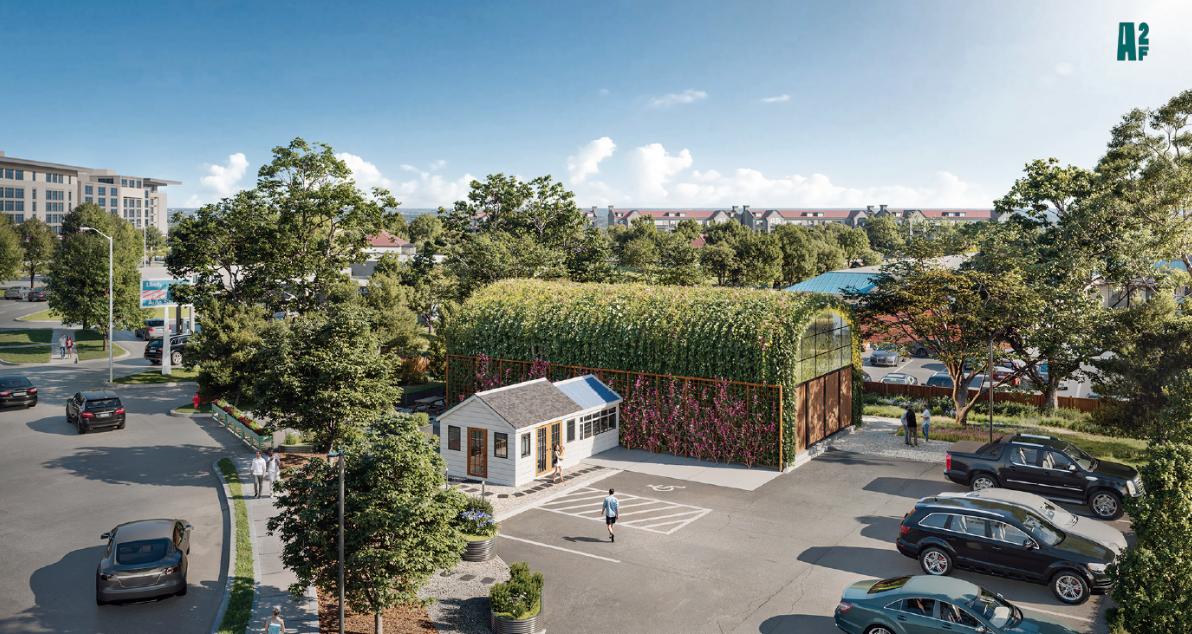 A look outside of a location
What is Area 2 Farms?
In 2022, Oren partnered with Tyler Baras, Area 2 Farms’ Chief Science Officer, to open their first farm in a converted brick building in Arlington, Virginia — wedged between a dog day care and a car repair shop. It has since delivered over 20,000 harvests to more than 1,000 local households. In 2026, Area 2 Farms launched the first-ever farm franchise program.
“Networks of farms are always better for people,” Oren says. Driscoll’s Berries, Land O’Lakes, and Ocean Spray are all networked farm models — the value sits with the individual farmer who’s the visible leader and touch point, and who captures most of the economic exchange. Area 2 is applying that same logic at the neighborhood level: individually owned, community-facing farms, each led by an “Owner-Operator-Farmer.”
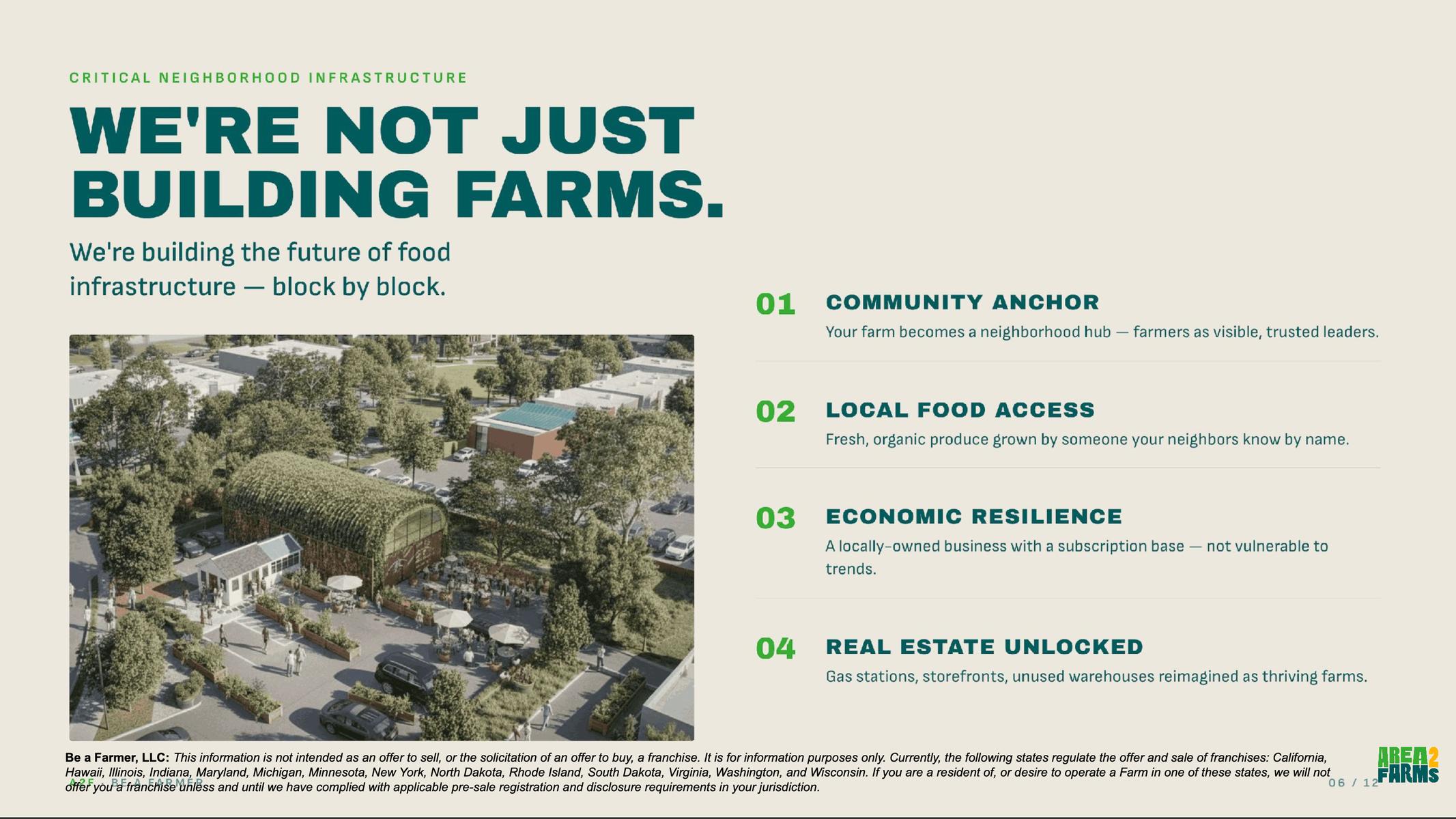 The multiple functions of an Area 2 Farm in a community
Do I need to move to a remote area to run this farm?
NO! An Area 2 Farms location sits inside 3,500–5,000 sq. ft. of urban real estate. An Area 2 Farms location is modular enough to fit oddly shaped spaces like parking lots, gas stations or underutilized commercial buildings. The model is designed to operate inside what is available within existing neighborhoods.
Each farm runs on 6–8 staff, heavier on harvest days, and reaches operational status at day 1.
Initial investment runs at $308-$471k, covering all equipment, technology, tools, and input costs through the first growing seasons. Production is standardized across every Area 2 Farm location at a maximum output. The farm optimizes for community density, not scale.
With many small farms built directly inside the neighborhoods they serve, Area 2 Farms is cutting transportation out of the farm to table model entirely. Each farm sells through its Community Supported Agriculture (CSA) local microgreens, and farm stand offerings.
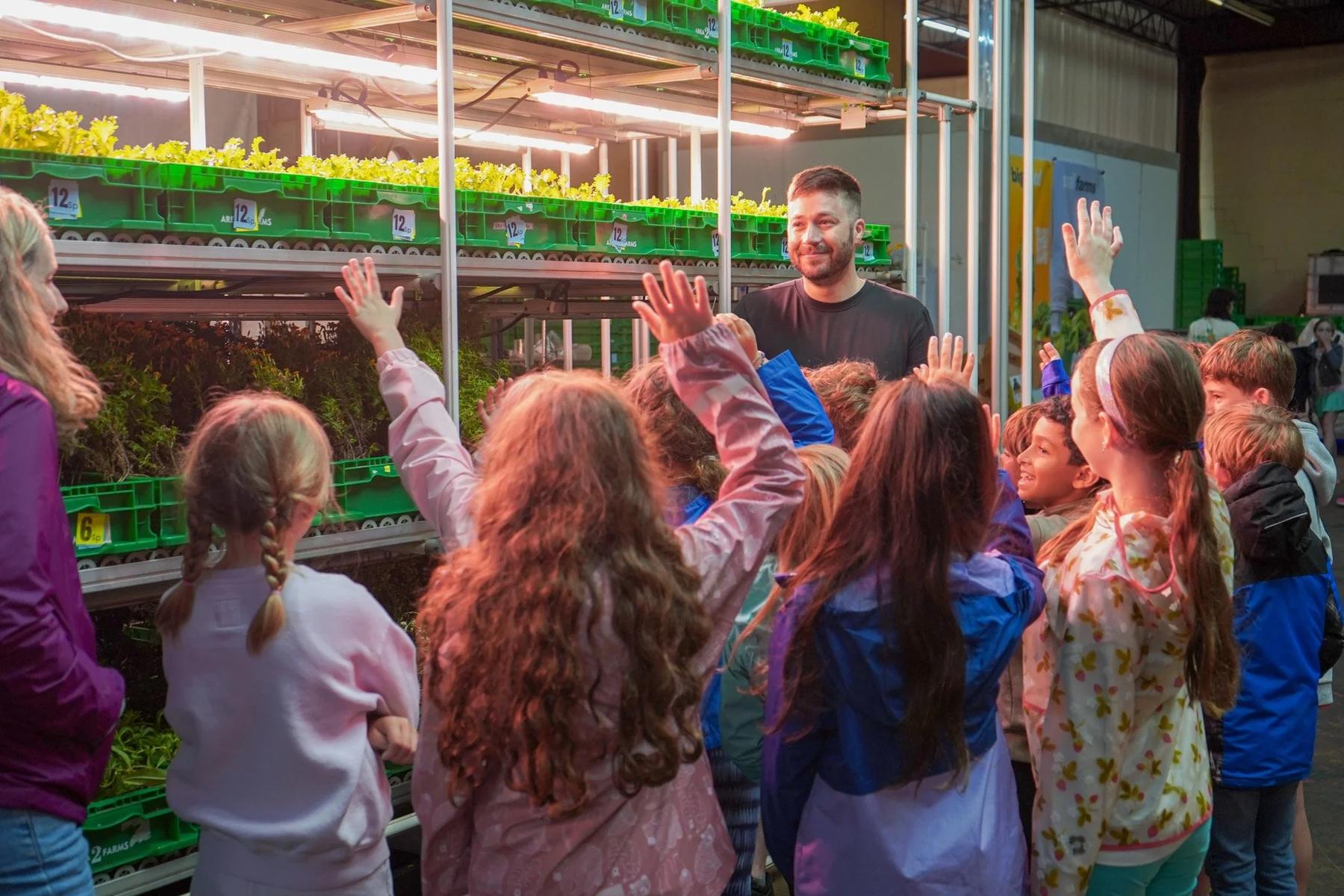 School Tour at the Area 2 Farms location
Farm startups like Bowery failed terribly. How is this different?
Bowery and most failed vertical farms built large, centralized facilities, then shipped out to retailers. That’s capital-intensive, and doesn’t address the transportation problem.
Area 2 flips that: many small farms built directly inside the neighborhoods they serve, cutting transportation out of the model entirely. Each farm sells through a Community Supported Agriculture (CSA) model — members pay upfront for a four, ten-week or year-long basket. Finally, the entire structure is way more resilient because the local farm directly holds the relationship with their customers.
Why soil, not hydroponics?
 Area 2 Farms is scooping awards for its unique model
Most urbanl farms grow only leafy greens and herbs.Commercially, that basket is too narrow to anchor a real community relationship. Area 2 Farms grows in soil as well as its SILO system, producing a wide variety of vegetables and herbs. Soil also changes pest management: rather than treating problems directly the way hydroponic operations often must, Area 2 treats its soil as a living system. It doesn’t get thrown away between cycles — spent soil is composted and sold on to community gardens, school programs, and garden shops.
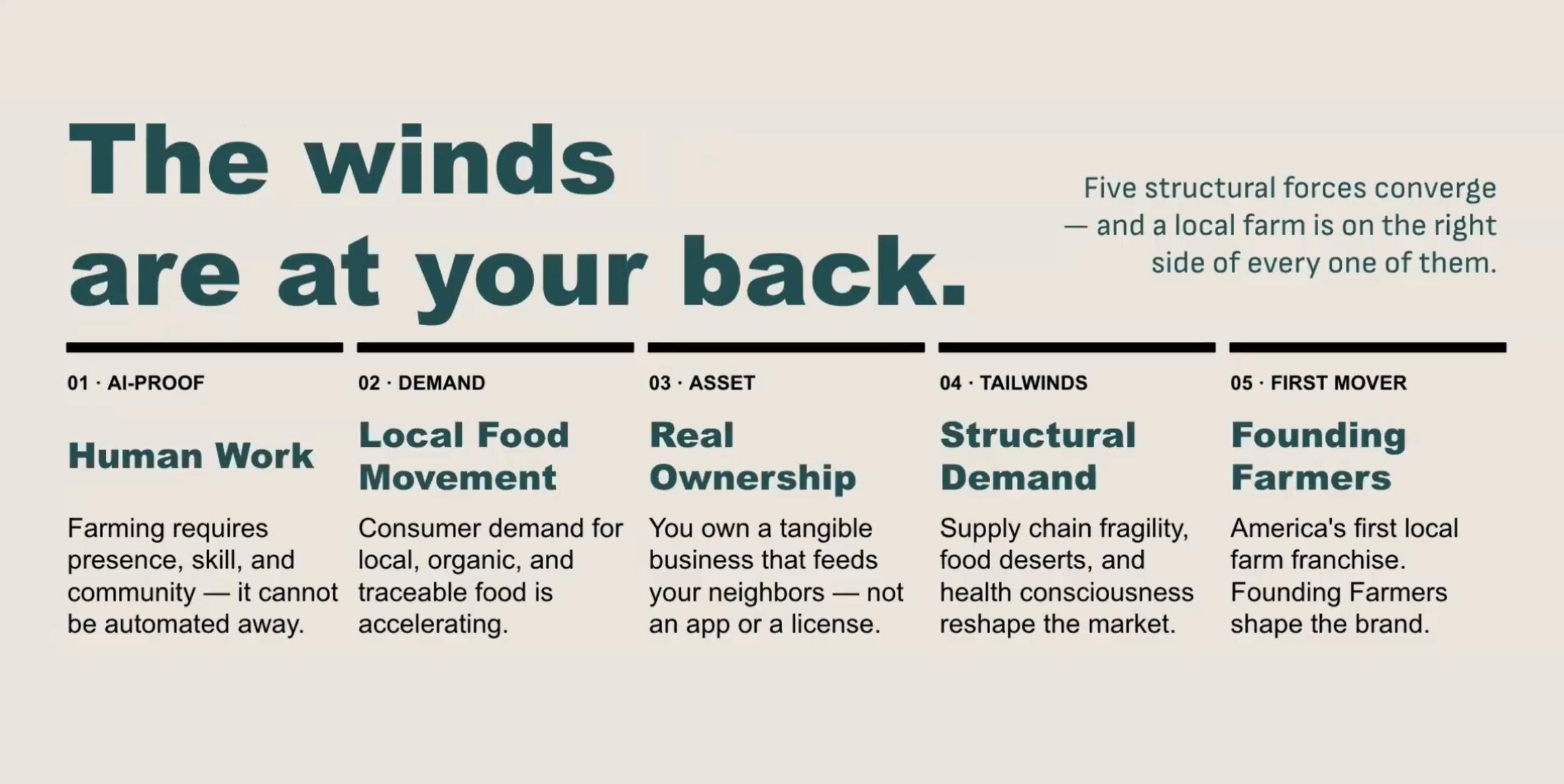 The winds are at your back to become a Farmer
How do I know if I can become a Founding Farmer?
Area 2 Farms is open across the US, currently targeting Austin, TX · Dallas, TX · Atlanta, GA · South Florida · Columbus, OH · Charlotte, NC · Nashville, TN · and Raleigh, NC — working toward individually a farm within 10 miles of 90% of the U.S. population.
No farming experience is required. Whether you work in technology, held a different corporate job, or ran a business, the skillset a Founding Farmer needs most is operational excellence, leadership, and the desire to become a farmer.
Did you enjoy reading this blog post?
Sign up and get the data!
or Sign up with an e-mail